
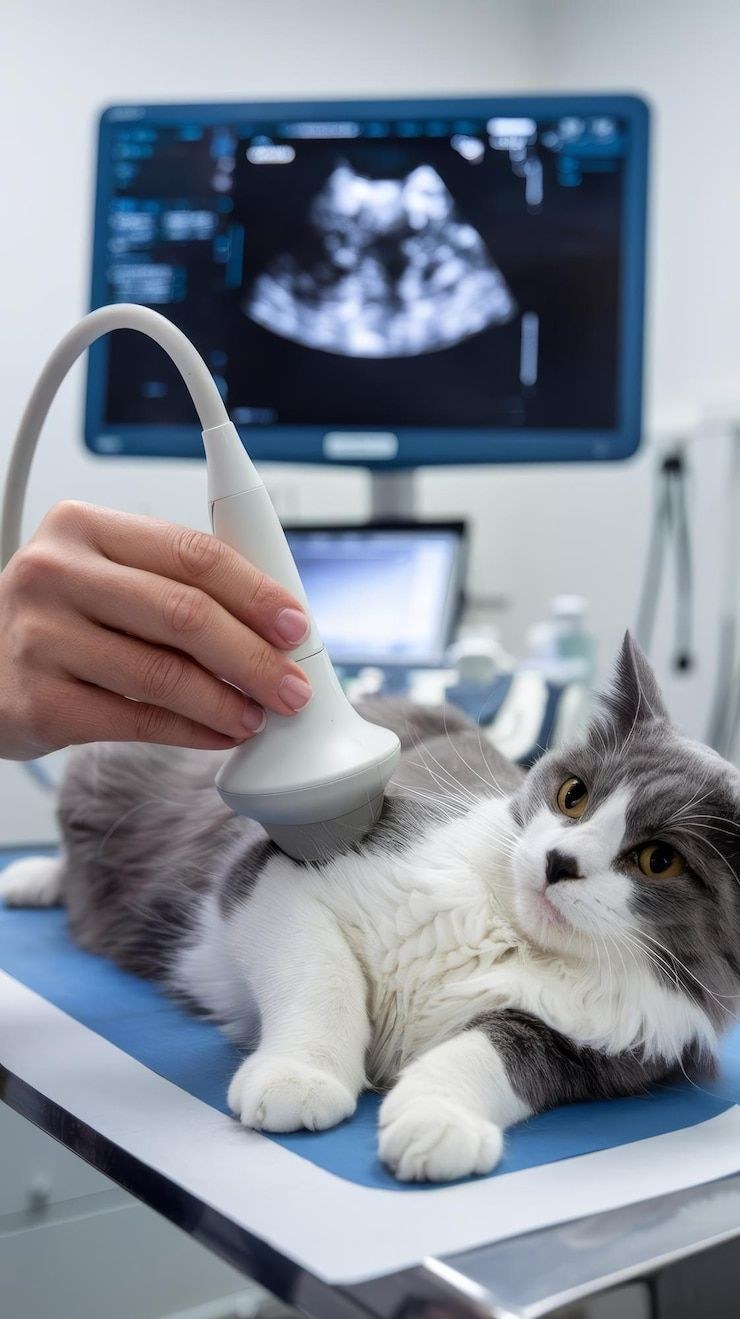
People often think choosing naturopathy for a pet means turning your back on modern medicine. There’s a common misconception that natural care is just “alternative” or “experimental” fluff without scientific grounding. In reality, these two worlds are merging into a more integrated approach to animal wellness.
Modern veterinary medicine is looking more closely at the gut-brain axis, inflammatory markers, and how processed diets impact chronic conditions. Instead of just masking symptoms with heavy pharmaceuticals, many owners want to address the root cause of a dog’s skin allergy or a cat’s digestive issues.
This movement isn’t just about herbs; it’s about looking at the whole animal. You see it in how owners research nutrition, how they search for holistic practitioners, and how they prioritize preventative care to avoid the emergency room later on.
But how do you navigate this without getting lost in the noise of conflicting advice? It takes a balance of traditional clinical diagnostics and a solid understanding of natural wellness protocols.
The right support depends on your companion’s size and species. You can’t treat a hamster the same way you treat a Golden Retriever. Tiny mammals have incredibly specific needs, particularly for metabolic stability and diet.
For those with smaller companions, the Animal Wellness and Rehabilitation Center offers specialized veterinary care. They work with dogs and cats, but they also handle the “small stuff”—ferrets, chinchillas, and rodents. Finding a place that understands chinchilla physiology is a huge relief for niche pet owners.
If you’re in the Bonney Lake area, the options for holistic-leaning care are quite diverse. You might look at different facilities depending on how urgent your pet’s needs are. Some places focus on long-term wellness, while others are better for an immediate crisis.
Here is a breakdown of some notable providers and their focus areas near the region:
| Provider Name | Primary Focus / Note |
| Petco | Retail and basic wellness supplies |
| Old Growth Veterinary Emergency | Critical care and emergency intervention |
| Bonney Lake Dog House | Local canine-specific care |
| Firgrove Veterinary Hospital | Standard veterinary services |
| Ancient Arts Holistic Services | Holistic-centered approach |
When searching, decide if you want a traditional clinic that uses holistic elements or a dedicated holistic center. Many owners find success using both: a primary vet for vaccinations and surgery, and a holistic specialist for managing chronic issues.
Diet is the biggest lever we have for long-term health. A lot of the issues seen in clinics, joint pain, kidney issues, and skin irritations, often trace back to what’s in the bowl. This is where the philosophy of Tierheilpraxis Barkau and similar holistic approaches become relevant for owners looking for a more natural lifestyle.
The Animal Healing Center takes a direct approach here. They focus on a methodology that emphasizes natural remedies and healthy diets. While they still handle the basics like vaccinations, neutering, and dental work, their mindset is rooted in preventative wellness rather than just reacting to problems.
It is a shift in how we think about a pet’s life cycle. Instead of waiting for a kidney problem to show up on an ultrasound, the goal is to manage nutrition and inflammatory triggers years in advance. This reduces the chemical load on the animal’s liver and kidneys.
While diet is the foundation, it isn’t the only tool. Many people are exploring “complementary” therapies that support the body’s ability to heal without interfering with traditional medicine. This includes:
Does a pet really need a complex regimen, or are we complicating things that should be simple? Most of the time, it’s about finding that “sweet spot” where the pet feels their best without being over-medicated.
One of the biggest hurdles in the holistic movement is the information gap. Pet owners often feel caught between a vet who only wants to prescribe pills and a “naturalist” who might not have the medical training for a surgical emergency. This creates anxiety for people who just want what is best for their animals.
This is why platforms like Northwest Holistic Medicine in Seattle are interesting. They are part of a larger mission through GeniusVets to bridge the gap between pet owners and veterinarians. The idea is to educate owners so they can make informed decisions rather than just following orders or trends.
When owners understand the *why* behind a supplement or a dietary change, they are much more likely to stick with it. Consistency is everything in natural medicine. You cannot give an herbal supplement once a month and expect a change in a dog’s chronic dermatitis; it requires a lifestyle commitment.
Education also helps demystify the more “alternative” parts of the practice. When a vet explains how a specific amino acid supports heart health, it feels less like “woo-woo” and more like science. This is happening more often as data on nutrition and microbiome health becomes more accessible.
Bark Natural Pet Care in the Fremont area of Seattle is another example of a localized, community-focused approach. They emphasize a natural way of living that aligns with an animal’s biology. It’s a local response to a global trend toward more intentional pet parenting.
If you want to move toward a more natural approach, you don’t have to overhaul everything overnight. It can be overwhelming to switch food, add supplements, and schedule a massage all in the same week. Start with the most visible issue your pet is facing.
If your dog is itching, look at their diet first. If your cat is lethargic, check their hydration and kidney support. Small, incremental changes are easier for an animal to process, both physically and metabolically. Sudden dietary shifts can lead to gastrointestinal upset, which is the last thing you want when trying to improve health.
It is also helpful to keep a log. When you introduce a new supplement or a new type of raw food, track the changes. Do you see a change in their coat? Is their energy more consistent? Are their stools better? This data is incredibly useful when you go to your next veterinary appointment, whether that vet is a traditional surgeon or a holistic practitioner.
The goal is a partnership. You are the expert on your pet’s daily behavior, and the veterinarian is the expert on their internal physiology. When those two perspectives meet, using the best of both the natural and clinical worlds, that is when we see the best results for animal longevity.
Whether you are looking for specialized care for a rodent or a wellness plan for an aging dog, the resources are expanding every year. It is a great time to be a proactive pet owner, provided you do your homework and look for practitioners who value evidence-based natural care.
A naturopathic vet uses natural therapies and holistic methods to support an animal's healing process and long-term wellness.
Our services focus on using nutrition, herbal remedies, and lifestyle adjustments to treat the root cause of illness in pets.
Becoming a wildlife veterinarian typically requires a bachelor's degree followed by 4 years of veterinary school, totaling approximately 7 to 8 years of study.
Salaries vary by location and specialty, but veterinarians generally earn a competitive professional income relative to other medical practitioners.
You can schedule a veterinary naturopathy appointment by contacting our clinic directly through our website or phone line.